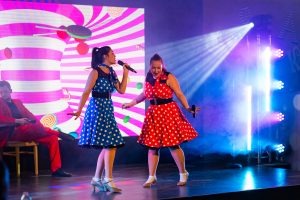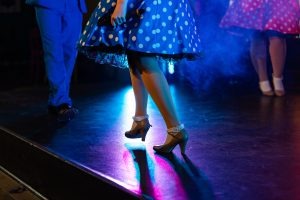
The moment the lights go down and the music swells, it feels like magic. But behind every polished performance is a team that has been carefully picked, paired, and prepared over many weeks. A great show team doesn’t just happen. It’s built, step by step, long before opening night.
So what actually goes into putting a cast together and getting them stage-ready? Here’s a look behind the curtain at how professional show teams come to life.
It All Starts With the Brief
Before anyone sings a note or learns a single routine, the creative team sits down with the venue to agree on the bigger picture. What kind of audience will be watching? How many shows a week? Is it a family-friendly holiday park, a themed production, or a late-night cabaret?
The answers shape everything that follows, from how many performers are needed to the style of voice and movement the casting team will look for.
The Casting Process
Once the brief is clear, it’s time to find the right people. Casting is about much more than talent alone. A brilliant singer who can’t dance, or a strong dancer who freezes on a microphone, might not be right for every role.
Most casting happens in stages:
Open Auditions
These are the big group days where dozens of hopefuls show up to try out. Performers usually go through three rounds: a vocal test, a dance routine, and a short acting or hosting task. It’s tiring, nerve-wracking, and exciting all at once.
Recalls
The strongest candidates are invited back for a second look. Here, the casting team can see how performers handle direction, take notes, and adapt quickly when a routine is changed on the spot.
Chemistry Tests
This is often the step audiences never hear about, but it makes a huge difference. Performers are paired up to see how they work together. Do their voices blend? Do they match each other’s energy on stage? A cast that clicks off-stage tends to shine on it.
For anyone hoping to break into the industry, auditions are the main door in. You can learn more about the skills and training involved in a dance career on the National Careers Service dancer profile, or audition with us if you’re ready to take the next step.
Building the Cast
Once the final names are picked, the team starts to take shape. Most show teams include a mix of roles, and each one has a specific job to do.
| Role | What They Do | Key Skills |
|---|---|---|
| Vocalist / Lead Singer | Carries the main songs and sets the tone | Strong voice, stage presence, mic control |
| Dancer | Performs the choreographed routines and supports numbers | Technique, stamina, quick learning |
| Host / MC | Links the show together and interacts with the audience | Confidence, humour, improvisation |
| Character Performer | Brings mascots and themed roles to life | Energy, physicality, storytelling |
| Dance Captain | Leads warm-ups and keeps routines sharp | Leadership, precision, communication |
| Cover / Swing | Steps in when a team member is off | Versatility, calm under pressure |
A balanced team covers every angle, so the show can run smoothly even if someone has a bad throat or a twisted ankle on the day.
Rehearsals: Where It All Comes Together
Once the team is cast, the real work begins. Rehearsals usually run for several weeks and are split into focused blocks, each one tackling a different part of the show.
Vocal Rehearsals
Singers work with a musical director to learn harmonies, phrasing, and how to use their voice safely across multiple shows a week.
Dance Rehearsals
Choreographers teach the routines step by step, then drill them until every move is sharp and synced across the group. Repetition is the secret.
Acting and Linking
Hosts and cast members rehearse the spoken parts, audience interaction, and the short scenes that glue the numbers together. Timing matters just as much as the performance.
Costume and Quick Changes
Believe it or not, quick changes get their own rehearsal time. Getting in and out of a full outfit in under a minute takes practice, and so does knowing exactly where to leave your shoes.
Great training is what lifts a good performer into a great one. That’s why proper onboarding and ongoing training programmes are such an important part of every show team’s journey.
Tech Week: The Big Shift
Tech week is when everything moves from the rehearsal room onto the actual stage. Lights, sound, set pieces, and costumes all come together for the first time, and it’s usually where a show really finds its shape.
Expect long days. Performers might run the same number ten times in a row while the lighting designer tweaks cues or the sound engineer adjusts mic levels. It can feel slow, but every second of fine-tuning makes the final show cleaner and safer.
A full dress rehearsal usually happens at the end of tech week. This is the last chance to iron out wrinkles before a paying audience walks in.
Opening Night
By opening night, the team has worked together for weeks. The routines are in their muscles, the harmonies are locked in, and the cues are second nature.
That doesn’t mean the nerves disappear. There’s always a buzz in the wings before the first show, a mix of excitement and last-minute checks. But when the lights come up and the audience reacts, everything clicks. All those rehearsals, all those late nights in the studio, all the chemistry tests and costume fittings pay off in one shared moment.
What Makes the Difference
The best show teams aren’t just the most talented. They’re the ones with strong chemistry, clear leadership, and proper support behind the scenes. Good casting sets the foundation, but it’s consistent training, clear communication, and attention to detail that keep a show fresh night after night.
That’s exactly why venues invest in professionally managed full production shows. From the first audition to the final bow, every step is planned, rehearsed, and polished so guests walk away talking about the show for the rest of their stay.
Because when a show team is built properly, the audience doesn’t see the weeks of work. They just see the magic.