 Holiday parks continue to be one of the UK’s most active seasonal employment sectors, with strong demand for entertainment, guest services, and operational support roles. As guest expectations rise and parks focus more on experience-led stays, the types of jobs available are also evolving.
In 2026, holiday park employment is less about “filling seasonal gaps” and more about building structured teams that deliver consistent guest experiences throughout the year.
Why holiday park jobs are evolving in 2026
Holiday parks are increasingly focused on creating immersive guest experiences rather than just accommodation and facilities. This shift has driven demand for roles that combine hospitality, performance, activity delivery, and guest engagement.
Key changes influencing recruitment include:
- Increased demand for on-site entertainment and activities
- Longer operating seasons across many parks
- Higher guest expectations for professional delivery
- Growth in experience-led tourism
This means employers are looking for more specialist, multi-skilled staff rather than general seasonal workers.
If you’re exploring opportunities or hiring, you can find more information here:
Most in-demand holiday park jobs in 2026
1. Entertainment hosts and activity leaders
Entertainment roles remain at the heart of holiday park operations. These staff run daytime activities, host evening entertainment, and create a consistent guest experience across the stay.
Typical responsibilities include:
- Hosting games and family activities
- Running stage or evening entertainment
- Engaging guests of all ages
- Supporting themed events and seasonal programmes
These roles are increasingly structured around full activity programmes rather than standalone shows.
More on structured activity delivery:
2. Character performers and characters
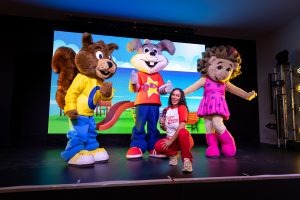
Family-focused parks continue to invest heavily in character-led entertainment. These roles are especially important for younger audiences and themed experiences.
Responsibilities often include:
- Performing in costume as branded characters
- Leading meet-and-greet sessions
- Supporting parades and themed events
- Delivering family-friendly interactions
This area has grown significantly as guest experience becomes more immersive.
Related insight: character supply and training
3. Live entertainers and cabaret performers
Evening entertainment remains a key driver of guest satisfaction, especially in larger holiday parks and resorts.
In-demand performers include:
- Vocalists and musicians
- Cabaret artists
- Variety acts
- Interactive stage hosts
These roles are often booked through structured entertainment programmes rather than ad-hoc hiring.
Explore live entertainment services
4. Activity coordinators and programme assistants
As entertainment becomes more structured, there is growing demand for staff who can help design and deliver full activity schedules.
Responsibilities include:
- Supporting daily activity timetables
- Setting up equipment and venues
- Managing guest participation
- Assisting entertainment managers
These roles are central to ensuring programmes run smoothly across peak and off-peak seasons.
5. Seasonal event staff
Holiday parks increasingly run themed events throughout the year, not just during peak summer months. This has created demand for flexible seasonal event staff.
Typical duties include:
- Supporting Halloween, Christmas, and Easter events
- Assisting with themed entertainment weekends
- Managing guest flow and engagement
- Supporting pop-up experiences
These roles are closely linked to wider seasonal planning strategies:
6. Entertainment supervisors and team leaders
As teams grow, there is increased demand for leadership roles within entertainment departments.
These roles focus on:
- Managing daily entertainment schedules
- Supporting staff performance and training
- Ensuring guest experience standards
- Coordinating with wider operations teams
Strong leadership is essential for maintaining consistency across large programmes.
7. Recruitment and HR support roles
Behind every strong entertainment team is a structured recruitment and HR function. In 2026, more parks are investing in dedicated support roles to manage:
- Seasonal hiring cycles
- Staff onboarding
- Compliance and training
- Workforce planning
Seasonal staff are covered by the same pay rules as permanent employees, and the current minimum wage rates are a useful starting point for anyone planning a hiring budget.
Skills most in demand across all roles
While roles vary, employers consistently look for transferable skills such as:
- Strong communication and confidence
- Ability to engage diverse audiences
- Adaptability in live environments
- Team collaboration
- High energy and reliability
Experience is valuable, but personality and performance ability often matter more in guest-facing roles.
How holiday park recruitment is changing
In 2026, recruitment is becoming more structured and strategic. Rather than hiring each season reactively, many operators now focus on:
- Building long-term talent pools
- Working with specialist entertainment providers
- Investing in staff training and development
- Improving retention across seasons
This shift is improving both staff quality and guest satisfaction.
Holiday park jobs in 2026 are more varied, skilled, and experience-focused than ever before. The most in-demand roles are no longer just about filling shifts, but about delivering consistent, high-quality guest experiences.
For job seekers, this means more opportunity for progression and specialisation. For employers, it means the importance of structured recruitment and entertainment planning has never been higher.